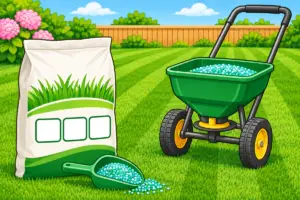
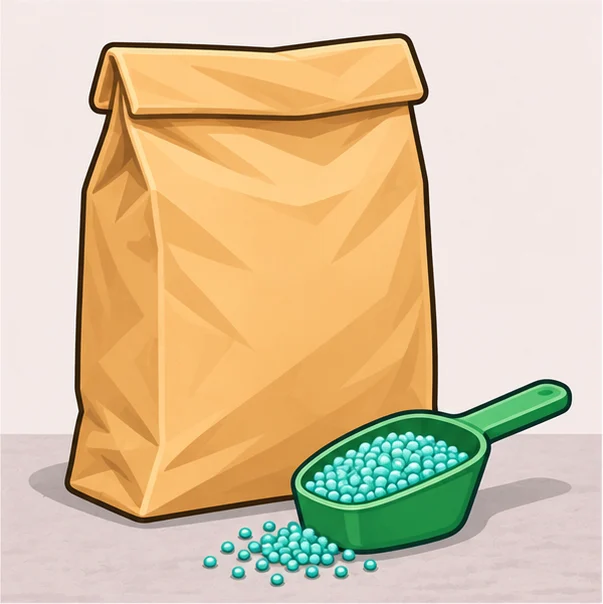
Enter the size of the lawn, the nitrogen percentage on the bag (the first number of the grade) and how much nitrogen you want to apply. The calculator turns that into pounds of the product, and into bags if you enter the bag weight.
How the lawn fertilizer calculator works
- Product per 1,000 sq ft = nitrogen rate ÷ (N% ÷ 100). For 1 lb of nitrogen from a 32-0-4 fertilizer: 1 ÷ 0.32 = 3.125 lb.
- Product for the lawn = product per 1,000 sq ft × lawn area ÷ 1,000.
- This is the method in the Iowa State University Extension guide to calculating lawn fertilizer rates.
Pounds of product per 1,000 sq ft
| Nitrogen rate | 10% N | 20% N | 24% N | 32% N |
|---|---|---|---|---|
| 0.25 lb | 2.5 lb | 1.25 lb | 1.04 lb | 0.78 lb |
| 0.5 lb | 5 lb | 2.5 lb | 2.08 lb | 1.56 lb |
| 0.75 lb | 7.5 lb | 3.75 lb | 3.13 lb | 2.34 lb |
| 1 lb | 10 lb | 5 lb | 4.17 lb | 3.13 lb |
Worked example
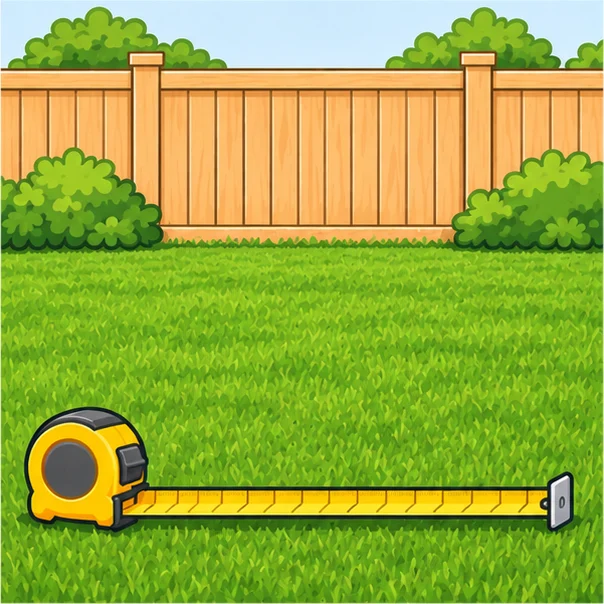
A lawn of 75 × 75 ft is 5,625 sq ft. To apply 1 lb of nitrogen per 1,000 sq ft with a 32-0-4 fertilizer, you need 3.125 lb of product per 1,000 sq ft, so 3.125 × 5.625 = 17.6 lb. With 12.5 lb bags that is 2 bags.
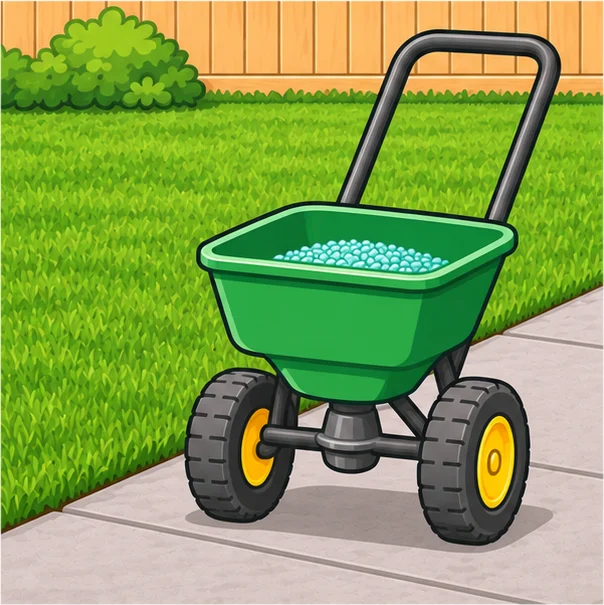
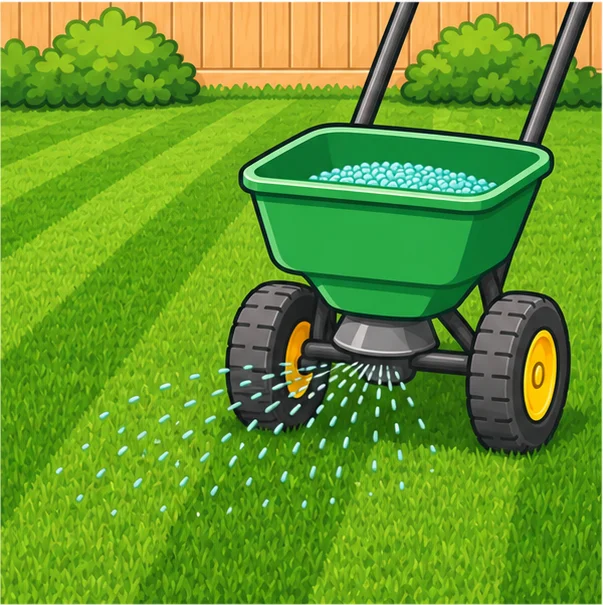
Step by step: fertilizing a lawn
Tips before you spread
- A soil test tells you whether the lawn needs phosphorus or potassium as well as nitrogen.
- Some states limit how much nitrogen you can apply at once and ban phosphorus on established lawns; follow the label and local rules.
- Do not fertilize before heavy rain or onto frozen ground.
- Your local extension office can suggest how much nitrogen your grass needs each year.